Drumonix Jobs is an independent job search aggregator. We may earn a commission when you click through.
Manufacturing Myths: What You Really Need to Know
Think you know manufacturing jobs? We debunk common myths and reveal the truth behind the industry. From pay rates to job stability, find out what really matters.
Myth: Manufacturing Jobs Are All Low-Paying
The belief that all manufacturing jobs pay peanuts is outdated. Sure, some entry-level positions might start lower, but roles like Site Engineer at a Chocolate Factory can offer competitive salaries, especially with specialized skills.
What to do instead: Look for roles that match your skill set and inquire about pay scales. Don't settle for the first offer; negotiate if you have the skills to back it up.

Myth: Manufacturing Jobs Are All About Manual Labor
Many people picture back-breaking labor when they think of manufacturing. The reality? Roles like Front Office Production Engineer involve more technical skills and problem-solving than manual labor.
What to do instead: Explore roles that align with your interests in technology or engineering. The industry's evolving, and so are the job descriptions.
Entry-Level Packaging Technician - Cleanroom
Entry-Level Packaging Technician roles are more than just manual tasks. They often involve working in cleanrooms, which require attention to detail and adherence to strict protocols. If you're just starting, it's a great way to get your foot in the door.

Site Engineer for Chocolate Factory
Site Engineer positions, like the one at the chocolate factory, tend to pay better and offer more variety than typical manual labor roles. It’s ideal for those who enjoy a mix of hands-on and technical challenges.

While some jobs might still involve physical tasks, the industry is embracing more tech-driven roles. Next, let's tackle the myth about job stability.
Myth: Manufacturing Jobs Lack Stability
It's a common fear that manufacturing jobs can disappear overnight. However, positions like Entry-Level Manufacturing Technician are often on contract but can lead to permanent positions over time.
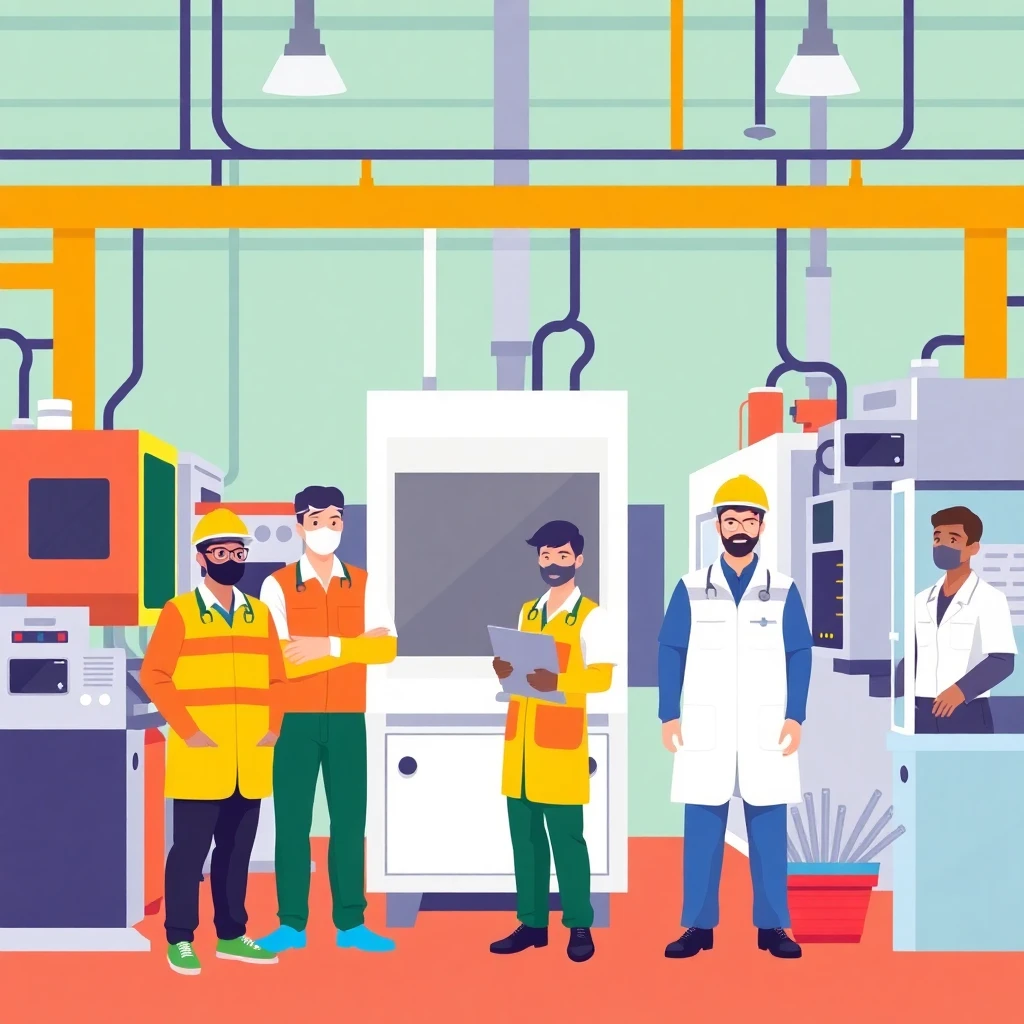
Entry-Level Manufacturing Technician - 12-Month Contract
Entry-Level Manufacturing Technician roles often start with contracts. However, they provide a foot in the door and a chance to prove your worth. Many companies transition reliable contractors to permanent positions.

With the right skills and attitude, you can turn a temporary gig into a long-term career. Finally, let's address the myth about the learning curve in manufacturing roles.
Myth: There's No Room for Advancement
Many assume that manufacturing is a dead-end job. But roles like Material Handler show that there's a clear path to Level II and beyond.
What to do instead: Always be on the lookout for training opportunities and be willing to learn new skills. This can set you apart when promotions come up.
Material Handler I - Entry-Level with Growth Opportunities
Material Handler positions often have a structured path for advancement. Starting at entry-level, but with the right attitude, you can move up to Level II and higher, gaining more responsibility and pay.
Climbing the ladder in manufacturing is more feasible than you might think. With the right mindset and opportunities, you can advance your career significantly. If you're exploring other career paths, check out our Top Data Science Jobs for Freelancers in April 2026 for a fresh perspective on high-demand roles.